







Search Results for: store peak hours
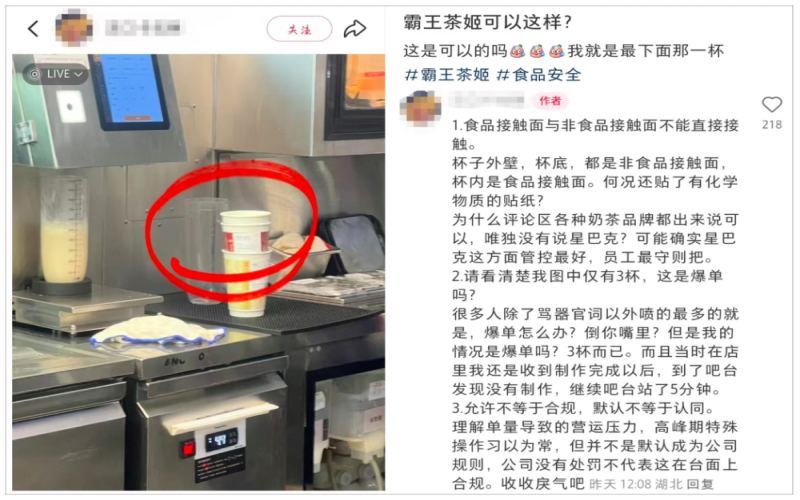
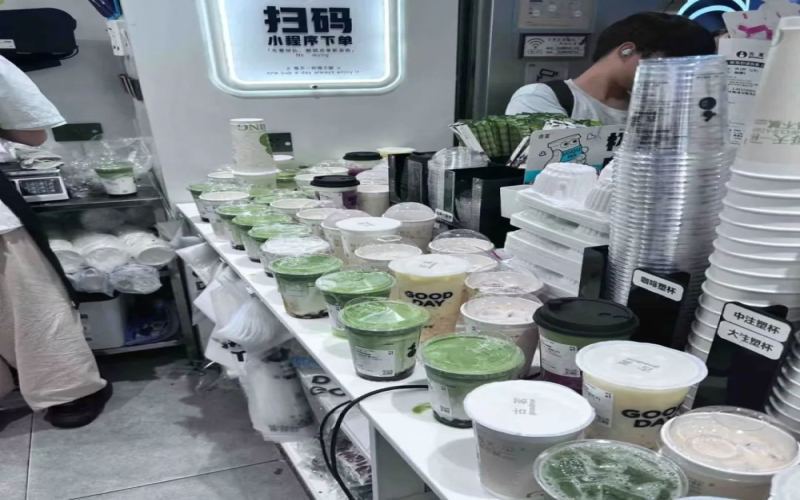
Bawang Chaji's stacked paper cups operation sparks controversy: customers question food hygiene, staff say it's a helpless move during peak hours
Recently, a customer picking up an order at a Chagee store noticed that staff had stacked labeled paper cups one inside another, with their own cup at the very bottom. This raised concerns about possible food contamination from the cup walls coming into direct contact with the inside of another cup. The post quickly sparked widespread discussion: many bubble tea shop employees pointed out that unused paper cups are already stacked when they leave the factory, and that stacking cups during peak hours is a common practice to save counter space and speed up service. But most consumers were not convinced, noting that brands such as Starbucks, Luckin Coffee, and Heytea have explicit rules against this practice. Behind this debate lies the real dilemma facing tea beverage stores as they try to balance the pressure of order surges with hygiene standards. [more…]
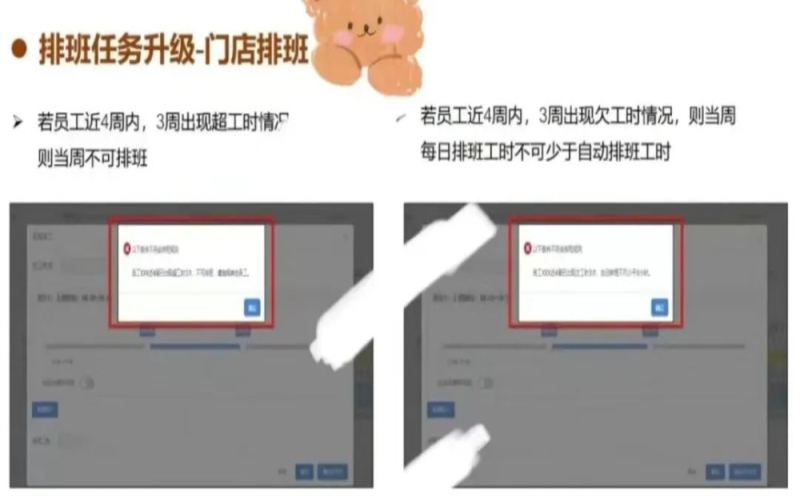
Anomalies Emerge After Luckin Coffee's Scheduling System Upgrade: Peak Forecasting and Staffing Draw Attention
Luckin Coffee recently piloted a new scheduling system in cities such as Guangzhou, Shenzhen, and Chengdu. The system can predict peak hours based on store sales data and arrange minimal staffing accordingly. While the new system improves efficiency, it has also sparked discussions about the distribution of work between full-time and part-time employees, responses to unexpected situations, and labor cost control. At the same time, as Luckin's store expansion slows and sales decline, the problem of redundant staff is gradually emerging, and this system upgrade is seen as an important measure to reduce costs and increase efficiency. As coffee lovers, it is worth learning about the impact of this change on store operations and employee experience. [more…]
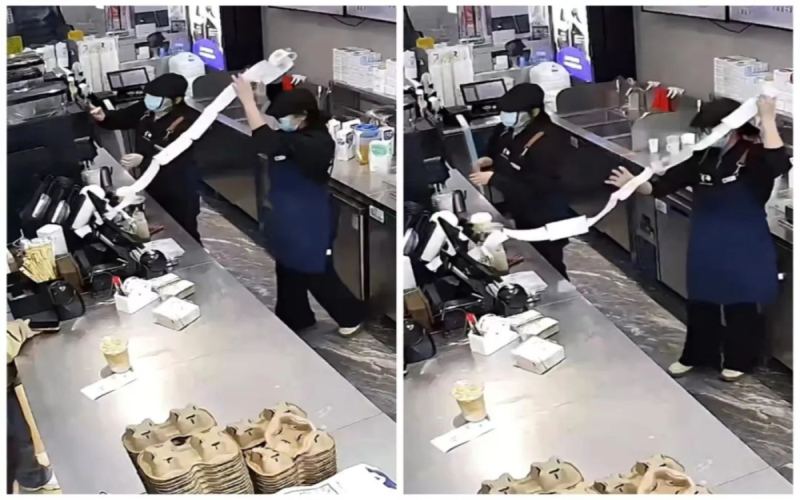
Luckin's frequent co-branding puts pressure on employees, highlighting the contradiction between manpower shortages and service experience.
Luckin Coffee's second collaboration with Line Puppy was supposed to be a fan-anticipated partnership, yet consumer feedback shifted toward excessively long waits and poor service attitudes. Frequent collaboration events bring order-surge pressure, and understaffed stores leave employees struggling to cope. From the chaos of peak hours to the predicament of actual working hours far exceeding paid hours, the working conditions of Luckin employees have drawn widespread attention. This article sorts out the operational contradictions behind the collaboration, as well as netizens' discussions about the brand's employment system, and reflects on the long-term impact of this model on service quality and brand image. [more…]

A Complete Guide to Coffee Bean Resting and Peak Flavor: The Science of Storing from Roast Date to Optimal Taste
Are freshly roasted coffee beans the most delicious? The answer is not necessarily. Many enthusiasts compare coffee bean roasting to cake baking, assuming that the fresh flavor is at its peak within two to three days of coming out of the roaster. But in fact, freshly roasted and freshly bought beans are not when the beans taste their best. Through years of roasting and cupping, Front Street Coffee has found that beans 1-2 days after roasting often carry smoky notes and a harsh, dry sensation, with sharp acidity and insufficient sweetness. This is because coffee beans continue to release carbon dioxide for about 48 hours after roasting, emitting roughly 6-10 liters per kilogram, with 35% of that released in the first three days. So what is bean resting? How long do different roast levels need to rest? And how should the peak flavor period be defined? Starting from Front Street Coffee's practical experience, this article will systematically answer core questions such as resting time, the optimal peak flavor period, and shelf life, helping you find the flavor peak of every bean. [more…]
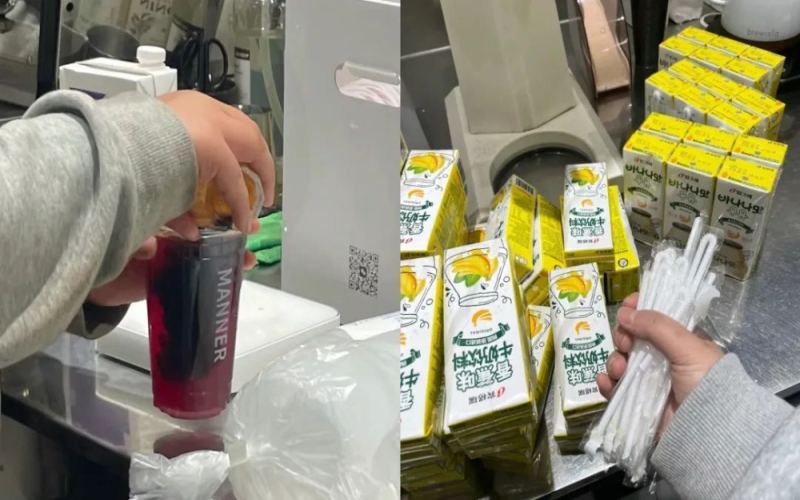
After Manner's stores exceeded a thousand, they urgently hired daily-paid packing part-timers, and veteran baristas complained about the pressure of training newcomers.
When Manner's nationwide store count surpassed one thousand, coffee enthusiasts cheered that they could finally check in nearby. At the same time, this chain brand is facing a severe shortage of frontline staff. To fill the barista gap, Manner began recruiting large numbers of daily-paid temp workers responsible only for packing, restocking, and cleaning, jokingly called "packers" by netizens. However, these part-timers change every day and cancel at the last minute without notice, forcing already busy full-time baristas to repeatedly train newcomers during peak hours, triggering strong dissatisfaction among veteran employees. This article sorts out the recruitment requirements, pay, and scheduling model for these temp workers, as well as the real complaints from baristas, while also looking at what reference value brands like Front Street Coffee offer in workforce management. [more…]
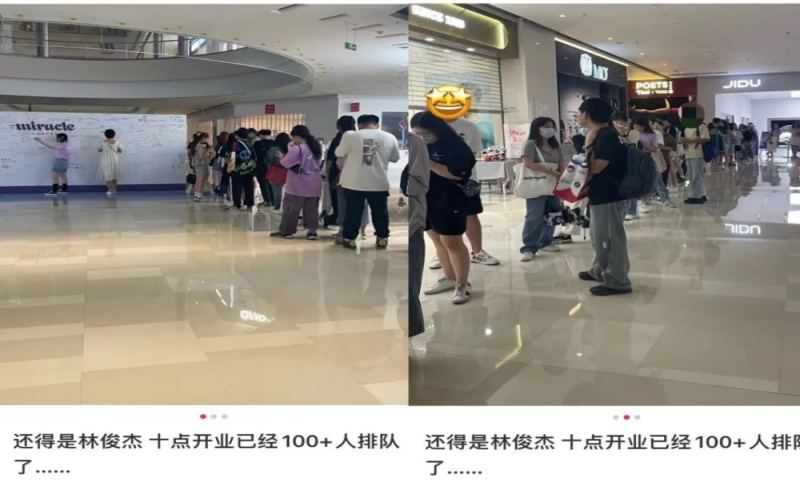
JJ Lin's coffee brand opens a pop-up store in Nanjing on Qixi, with fans queuing for hours to check in.
Lin Junjie's coffee brand Miracle Coffee recently restarted in mainland China, with its first pop-up store opening on Qixi Festival on the 1st floor of Huacai Tiandi in Hexi, Nanjing. Although it is only a pop-up format, fan enthusiasm has not diminished. On the first day of opening, a long queue formed before business hours, with waiting times generally 2 to 3 hours during peak periods, and some even waited 5 to 6 hours to successfully check in. The production team for this Miracle Coffee is the champion-level brand S.O. The official Nanjing store has also begun renovation and is expected to open at the end of September, when Lin Junjie is expected to appear in person. [more…]
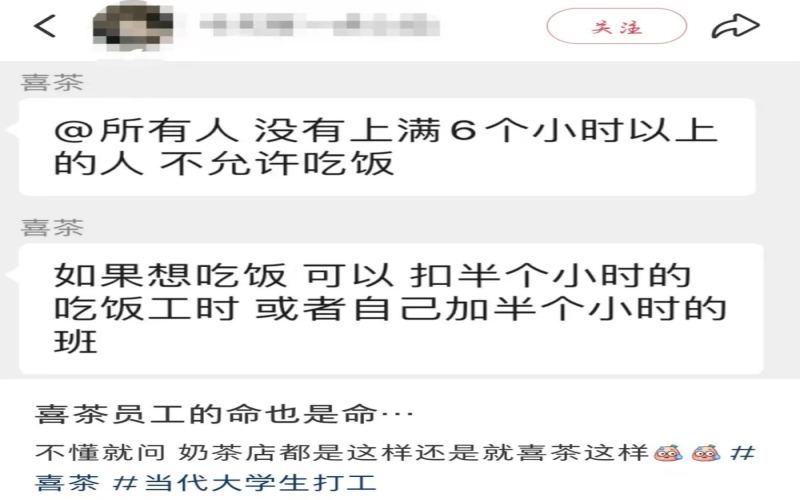
Heytea's Part-Time Employee Meal Policy Sparks Controversy: No Meals for Shifts Under 6 Hours, Shift Scheduling Manipulation Common
Around the Spring Festival, a large number of university students flocked to tea and coffee shops for part-time work, but a rule at Heytea about mealtimes sparked confusion among employees: they are not allowed to eat unless they have worked a full 6 hours, and if they want to eat, they must either have half an hour deducted from their work hours or volunteer to work overtime. Multiple Heytea part-time employees reported encountering similar or even harsher requirements, and some stores were found to deliberately cap work hours and shorten shifts. In the food and beverage industry, mealtimes are peak hours, so it is normal for workers to be unable to eat on time, but employees question whether the rule is reasonable, believing that management, under the pretext of controlling labor efficiency, is cutting work hours and forcing workers to labor almost without rest while starving. [more…]
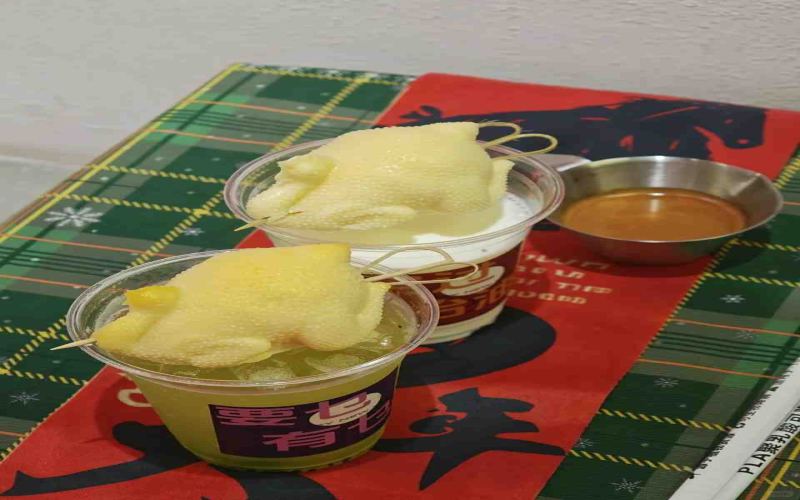
White-cut chicken latte takes social media by storm: corn panna cotta garnish available for an extra 5 yuan, with 1.5-hour queues at peak times
Recently, a coffee with a unique design has gone viral on social media: perched atop the drink in the cup is a lifelike "white cut chicken" decoration, with chicken skin texture so detailed it's astonishing. When espresso is poured over it, the visual effect instantly transforms from white cut chicken to soy sauce chicken, sparking lively discussion among netizens. This is actually a creative decoration made by the coffee shop using corn panna cotta, available to customers for just 5 yuan with any drink purchase. Due to the large number of people wanting to take photos, it often sells out during the afternoon rush. Is this drink just a gimmick or a creative highlight? Let's find out. [more…]
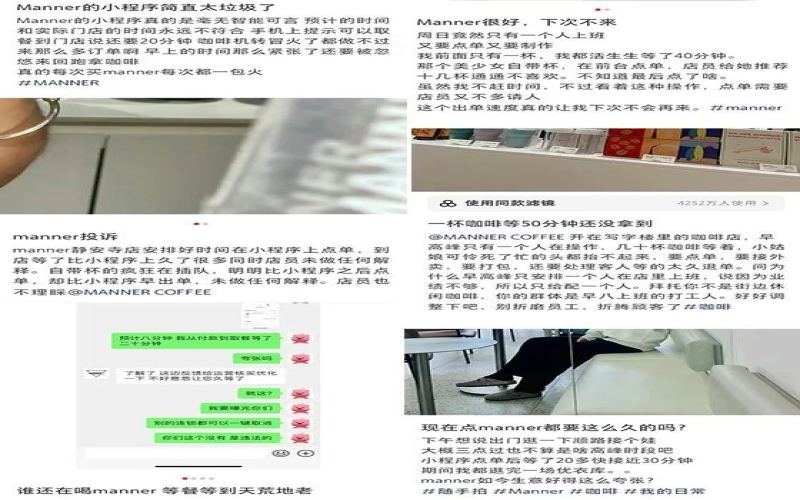
Manner's Slow Service Sparks Heated Debate: Store Staffing Arrangements Draw Criticism, Customers and Employees Alike Call for Improvement
Manner Coffee has won the favor of many consumers with its high cost-performance and thoughtful service. Bringing your own cup and ordering ahead via the mini-program have become daily choices for many office workers. However, recently, complaints about slow order fulfillment at Manner stores have been increasing. The completion times shown in the mini-program are severely inconsistent with actual wait times, and waits of twenty minutes or even an hour during peak hours are common. What dissatisfies consumers even more is that some stores are staffed by only one employee, who is overwhelmed when orders surge, causing customers and delivery riders to be stranded for long periods. Some netizens left bad reviews due to slow order fulfillment, but received a reply from the store saying that "the employee involved has been seriously dealt with," sparking widespread controversy. This article will sort out the course of the incident, netizens' views, and the actual situation of Manner employees, and explore how the brand can balance efficiency and employee care amid rapid expansion. [more…]
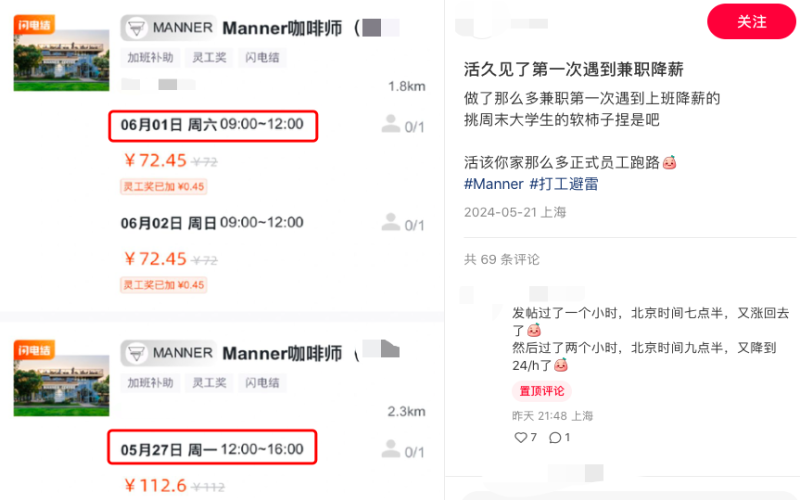
Manner's part-time hourly wage suddenly cut, sparking employee discontent; repeated changes within hours stir controversy
Recently, Manner Coffee has drawn widespread attention after suddenly cutting the hourly wages of its part-time employees. Some part-timers discovered that, even with the same number of scheduled hours for the coming month, their daily income was nearly forty yuan less. It is understood that this wage cut affects multiple regions, with reductions ranging from 1 yuan to 6 yuan, including Shanghai dropping from 28 yuan to 24 yuan and Shenzhen from 28 yuan to 22 yuan. After the news spread, discussions in part-time worker groups became heated, and the brand at one point restored the original hourly wage, only to cut it again less than two hours later, leaving many employees caught off guard. Coming right at the peak summer sales season, whether this move will affect store operations and the stability of the part-time team is worth continued attention. [more…]
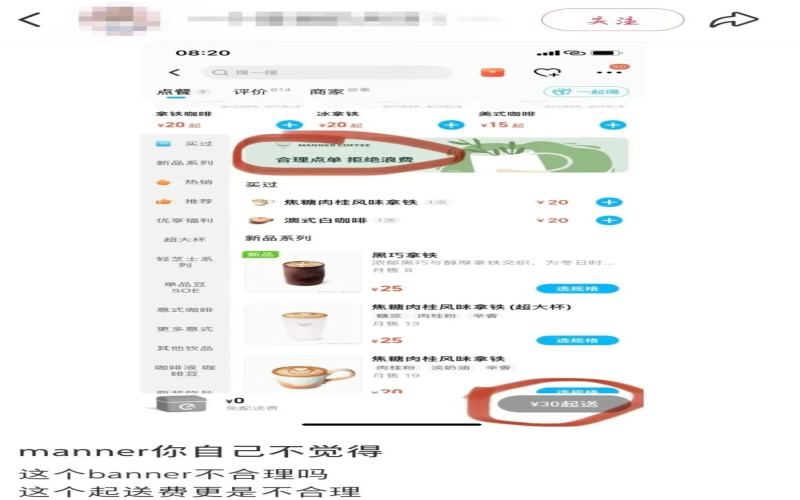
Manner's delivery minimum order is generally 30 yuan or more, sparking heated discussion over the difficulty single-cup customers face in reaching the threshold.
After winter sets in, many office workers are unwilling to brave the cold wind to visit Manner stores, and instead turn to delivery platforms to place orders—only to get stuck on the minimum order threshold. Manner drinks are mostly priced between 15 and 25 yuan, while delivery minimums are generally above 30 yuan, making it impossible to order just one cup. Consumers are forced to add bread or bottled water to reach the minimum, and during peak hours some stores even raise the minimum order to 80 or even 100 yuan, with delivery fees also drawing widespread complaints. Some regular customers believe the high threshold can ease pressure on staff, but more consumers are calling on the brand to add more staff or simply cancel its delivery channel, so that neither customers nor employees are left struggling—one to make up the minimum, the other overwhelmed by a flood of orders. [more…]
Guming's Buy-One-Get-One Free Order Surge Dilemma: Employees Peel Fruit for Over Ten Hours Straight, an Imbalance Between Brand Campaigns and Store Capacity
Recently, Gu Ming launched a "Summer Buy One Get One Free" campaign, with 8 star products participating, originally intended to attract foot traffic and boost revenue. However, after the campaign went live, store orders far exceeded expectations, and back-of-house staff were forced to handle fresh fruit, whip cream, and other prep work under high intensity for long hours. Some worked 15.5 hours straight, and their hands cramped from peeling grapes. The brand's frequent collaborations, takeout wars, and limited-time offers have left the "farm tea workers" complaining endlessly, and also exposed the disconnect between campaign planning and store staffing and process simplification. This article reviews the real situation of this order surge and the voices of employees, while also offering coffee lovers a product perspective from brands such as Front Street Coffee. [more…]

Luckin's Little Butter Crispy Apple Latte wins praise for its looks, but baristas complain the fussy prep feels like working at a Michelin restaurant.
Luckin Coffee has launched a new product, the "Little Butter Crispy Apple Latte," building on its Little Butter series. With rich toppings including cheese milk foam, freeze-dried apple, croissant crumbs, and caramel sauce, it quickly caught consumers' attention. The drink's appearance has been widely praised, with many considering it perfect for photos and sharing, but opinions on its taste are mixed—some love the combination of butter and apple, while others find it too sweet and cloying. Meanwhile, this multi-step customized drink puts considerable pressure on store employees. Under the efficiency requirement of serving within two minutes, making this drink during peak hours is jokingly compared by staff to preparing a Michelin meal, and it can even disrupt the pace of service. Front Street Coffee keeps following coffee industry trends, bringing you insights into the market response and operational contradictions behind this new product. [more…]

Starbucks Accelerates Expansion into China's County-Level Markets: The New Consumption Scenarios and Growth Logic Behind Its Sinking-Market Strategy
Under the impact of the pandemic, the global catering industry is under widespread pressure, and Starbucks has also set its sights on China's vast lower-tier market. From slowing the pace of store openings in the United States and increasing its bet on China, to putting forward the vision of covering more than 300 cities by 2025 and opening a new store on average every nine hours, Starbucks is treating county-level markets as an important breakthrough. The consumption periods and customer group structure of county-town stores are completely different from those in first- and second-tier cities. Instead, breakfast, afternoon tea, and the period after dinner form peak hours, and social and scene-based needs far exceed the simple need for caffeine. Combining frontline observations with the views of Liu Wenjuan, chief operating officer of Starbucks China, this article analyzes why county-level markets have become an important way out for Starbucks. [more…]
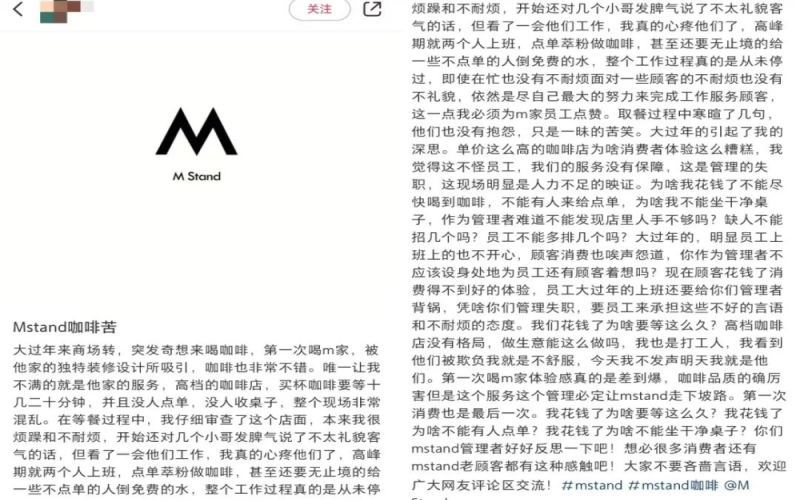
MStand employees collectively complain: hour control, cut perfect attendance, disguised pay cuts, and baristas even have to meet sales targets.
Recently, a customer post titled "MStand Coffee is bitter" sparked widespread resonance among current employees on social media, and the comment section quickly turned into a "complaints camp" for MStand baristas. Customers complained that during peak hours only two staff members were on duty, wait times were too long, and management was chaotic, while employees revealed deeper problems: over the past two to three months, management has frantically controlled labor efficiency, so even full-time baristas cannot get full shifts, and the perfect attendance bonus exists in name only; New Year benefits are missing, and adjustments to the salary structure are accused of being a disguised pay cut; even more harshly, every employee must complete "one stored-value card and four packages" each day, otherwise they have to write a report, review surveillance footage, and analyze the reasons. Frontline baristas mock themselves, saying they cannot tell whether they are making coffee or doing sales. This article will fully present this collective employee complaint triggered by a customer's voice. [more…]
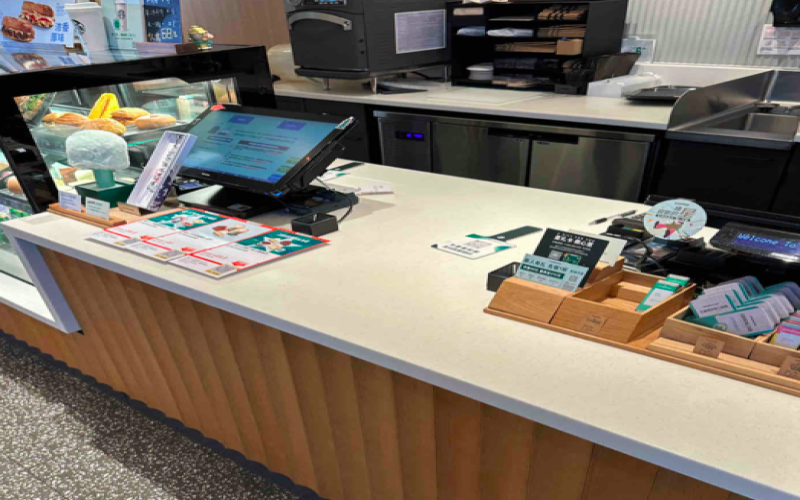
Starbucks Turning Employee Order Screens Toward Customers Sparks Debate, Internal Sales Pitch Accidentally Exposed
Recently, some Starbucks locations have turned their employee-only order-taking devices toward customers, attempting to let customers order self-service or have staff step out from behind the counter to assist with ordering. However, this move has sparked quite a bit of awkwardness and controversy: customers are at a loss facing the complex ordering system, internal sales scripts have been accidentally leaked, and staff are run off their feet even more during peak hours. Some baristas say the new rules not only fail to improve efficiency, but actually make the work more burdensome. This article will walk you through the ins and outs of this incident, as well as the real thoughts of Starbucks workers. [more…]

Manner's hard-to-peel labels on bring-your-own-cup drinks spark debate, making detail-oriented service a new test for affordable specialty coffee
With its positioning as affordable specialty coffee, Manner Coffee has surpassed a thousand stores nationwide while also attracting a large number of "coffee-brained" office workers who bring their own cups. However, recently some netizens complained that after a friend helped buy coffee with a bring-your-own cup, the label on the cup could not be completely peeled off, sparking widespread resonance. Similar experiences are not uncommon on social platforms. Some question whether baristas "deliberately" attach the labels, while others believe it is an oversight during peak hours, and some stores use easy-peel stickers as a base layer. This small controversy over labels reflects consumers' attention to baristas' attention to detail in service. For coffee enthusiasts pursuing quality, a good cup of coffee is not only about taste, but also about the warmth and care in the experience. [more…]
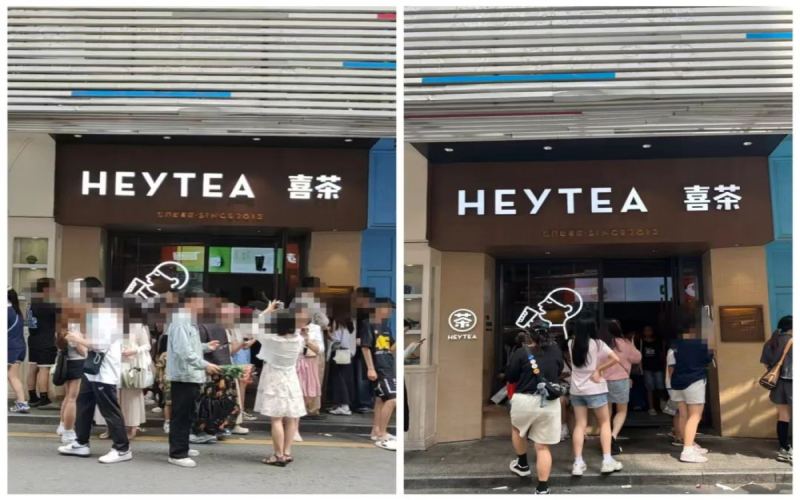
Heytea's Jiangbianli Original Store Hits Record Orders Again During May Day: 1,000 Cups in 12 Minutes, 28 Staff Working Nonstop Still Overwhelmed
During last year's National Day holiday, the original Heytea store in Jiangbianli, Jiangmen, became a hot spot for tourists thanks to its store-exclusive "Cheese Mandarin Pu'er" drink, topping both the total sales and single-store daily sales charts. This year's May Day, the store was once again overwhelmed by consumer enthusiasm—the mini-program showed "1,002 cups ahead waiting to be made," and on May 3, orders surpassed a thousand cups just 12 minutes after opening, with the ordering channel automatically shutting down as many as 7 times that day. The store covers about 20 square meters, yet at peak times as many as 28 employees were working simultaneously, each putting in 13 hours on average, and even the tea brewing machines broke down from overwork. Meanwhile, reports suggest that "Cheese Mandarin Pu'er" may be rolled out at stores nationwide in the future, meaning Heytea fans may no longer need to make a special trip to the original store. This article is compiled from Coffee Workshop, giving you a look at the real situation of this unusual store's order surge and the true state of its employees. [more…]
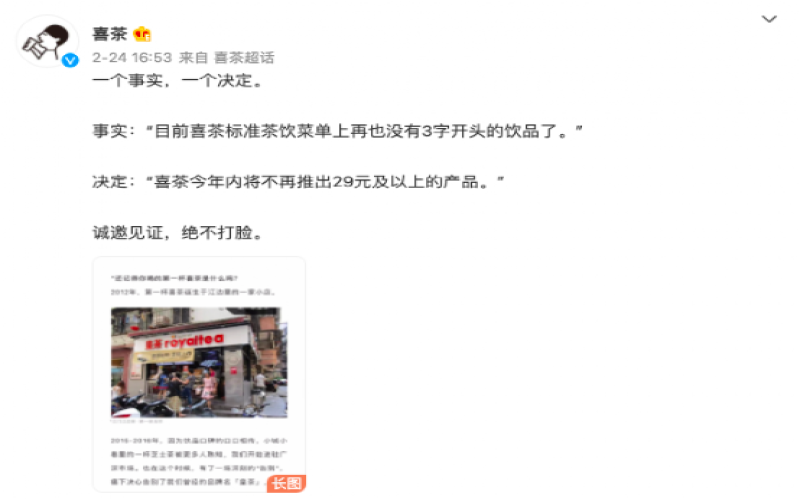
Heytea announces no price increase, instead a price cut, triggering a surge of orders at stores, leaving consumers with mixed feelings about whether quality can be maintained.
Since the pandemic, costs in the tea beverage industry have been climbing, and many brands have raised their prices, to the point that office workers have to weigh their wallets before buying a cup of milk tea. Yet Heytea has gone against the grain, not only lowering its menu prices but also publicly promising not to raise prices this year and to stop launching products priced above 29 yuan. This move quickly sparked a consumption boom, with orders surging and even overwhelming several stores, and queues exceeding one hour during peak times. Consumer reactions have been mixed: some applaud, feeling the prices are finally affordable; others worry whether the price cuts will come with shrunken ingredients and declining quality. Heytea responded that the recipes and production standards remain unchanged, and that it is simply giving consumers more choices. How far this price-cut wave can go is worth watching. [more…]
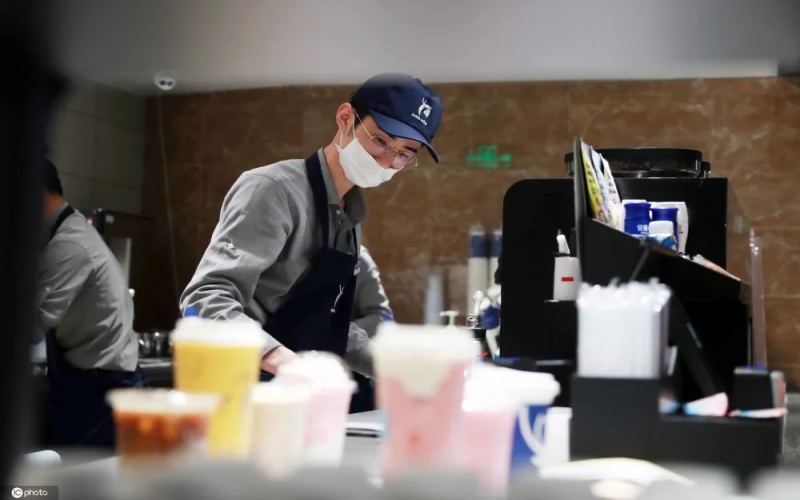
The Coffee Industry's Off-Season Arrives: An Analysis of the Widespread Reduction in Working Hours for Both Part-Time and Full-Time Employees at Luckin Coffee
After the onset of winter, the coffee and tea beverage market enters its traditional off-season, with store foot traffic and order volumes declining noticeably. Recently, many part-time employees at Luckin Coffee have reported that their scheduled working hours have been significantly reduced, with some being assigned only one shift a week, or even working just over thirty hours in an entire month. Full-time employees have not been spared either, with working hours dropping from over 180 to between 110 and 170, which has also affected their base pay. To make up the target hours, some employees have had to voluntarily support other busier stores. What exactly is causing this widespread reduction in working hours? How do the situations of part-time and full-time employees differ? This article, based on accounts from multiple employees, sorts out the logic behind the current scheduling adjustments at Luckin Coffee stores and reminds practitioners to plan ahead and prepare countermeasures. [more…]